
Getting Started with Beginner Organic Garden Essentials

Starting your own organic garden is a wonderful way to enjoy fresh, healthy food right from your backyard or balcony. It’s easier than you think! With the right tools and knowledge, you can grow delicious vegetables and herbs without harmful chemicals. This guide will help you get started with beginner organic garden essentials and make your gardening journey fun and successful.
Why Choose Beginner Organic Garden Essentials?
Organic gardening means growing plants without synthetic pesticides or fertilizers. It’s better for your health, the environment, and the taste of your food. When you use beginner organic garden essentials, you set yourself up for success. These essentials include quality soil, seeds, tools, and natural fertilizers.
Starting with the right basics helps you avoid common mistakes. For example, using nutrient-rich compost improves soil health and plant growth. Choosing organic seeds ensures your plants are free from genetic modification and chemicals. Simple tools like a trowel, watering can, and gloves make gardening easier and more enjoyable.
By focusing on beginner organic garden essentials, you create a strong foundation for your garden. This approach saves time and effort while producing better results. You’ll feel proud watching your plants grow healthy and vibrant!

How to Pick the Perfect Spot for Your Garden
Location is key when starting your organic garden. Plants need sunlight, water, and good air circulation to thrive. Find a spot that gets at least 6 hours of direct sunlight each day. This could be a backyard patch, a balcony, or even a sunny windowsill.
Make sure the area has good drainage. Water should not pool or stay stagnant after rain. If your soil is heavy clay or sandy, consider raised beds or containers filled with quality organic soil. This gives you more control over growing conditions.
Think about convenience too. Choose a spot close to a water source and easy to access. You’ll be more likely to care for your garden regularly if it’s nearby. Also, avoid areas near trees or large shrubs that compete for nutrients and shade your plants.
Once you find the perfect spot, prepare the soil by removing weeds and loosening it with a garden fork or tiller. Mix in compost or organic matter to boost fertility. Your plants will thank you with strong roots and abundant harvests!

Essential Tools and Supplies for Your Organic Garden
Having the right tools makes gardening easier and more fun. Here are some beginner organic garden essentials you should have:
Quality soil or compost: Nutrient-rich soil is the foundation of a healthy garden.
Organic seeds or seedlings: Choose varieties suited to your climate and taste.
Hand tools: A trowel, hand fork, and pruning shears help with planting and maintenance.
Watering can or hose: Consistent watering is crucial for young plants.
Mulch: Helps retain moisture and suppress weeds naturally.
Gloves: Protect your hands while working in the soil.
Plant markers: Keep track of what you planted where.
You can find all these supplies in garden centers or online. If you want a simple way to start, consider an organic vegetable garden starter kit. These kits include seeds, soil, and tools designed for beginners. They take the guesswork out of gardening and help you get growing quickly!
Tips for Planting and Caring for Your Organic Garden
Planting your garden is exciting! Follow these tips to help your plants grow strong and healthy:
Read seed packets carefully. They tell you when and how deep to plant seeds.
Space plants properly. Crowded plants compete for nutrients and air.
Water gently but thoroughly. Keep soil moist but not soggy.
Use natural fertilizers. Compost tea, fish emulsion, and seaweed extract nourish plants without chemicals.
Mulch around plants. This keeps soil cool and moist while reducing weeds.
Watch for pests naturally. Encourage beneficial insects like ladybugs and use homemade sprays if needed.
Rotate crops each season. This prevents soil depletion and disease buildup.
Remember, gardening is a learning process. Don’t worry if some plants don’t do well at first. Keep trying and adjusting your care routine. Soon, you’ll enjoy fresh, organic produce grown by your own hands!
Growing Your Garden with Confidence and Joy
Starting with beginner organic garden essentials gives you a great head start. You’ll enjoy the satisfaction of growing your own food and the peace of mind knowing it’s chemical-free. Gardening connects you to nature and brings fresh flavors to your table.
Celebrate small wins like sprouting seeds and blooming flowers. Share your harvest with family and friends. Gardening is not just about food - it’s about nurturing life and creating beauty.
Keep learning and experimenting with new plants and techniques. Join local gardening groups or online communities for support and inspiration. Your garden will grow along with your skills and confidence.
Happy gardening! Your journey to fresh, organic food starts now.

1
Searing the Beef
Sear beef fillets on high heat for 2 minutes per side to form a golden crust. Let it cool before proceeding to keep the beef tender.
1
Searing the Beef
Sear beef fillets on high heat for 2 minutes per side to form a golden crust. Let it cool before proceeding to keep the beef tender.
1
Searing the Beef
Sear beef fillets on high heat for 2 minutes per side to form a golden crust. Let it cool before proceeding to keep the beef tender.
1
Searing the Beef
Sear beef fillets on high heat for 2 minutes per side to form a golden crust. Let it cool before proceeding to keep the beef tender.
Notes


1
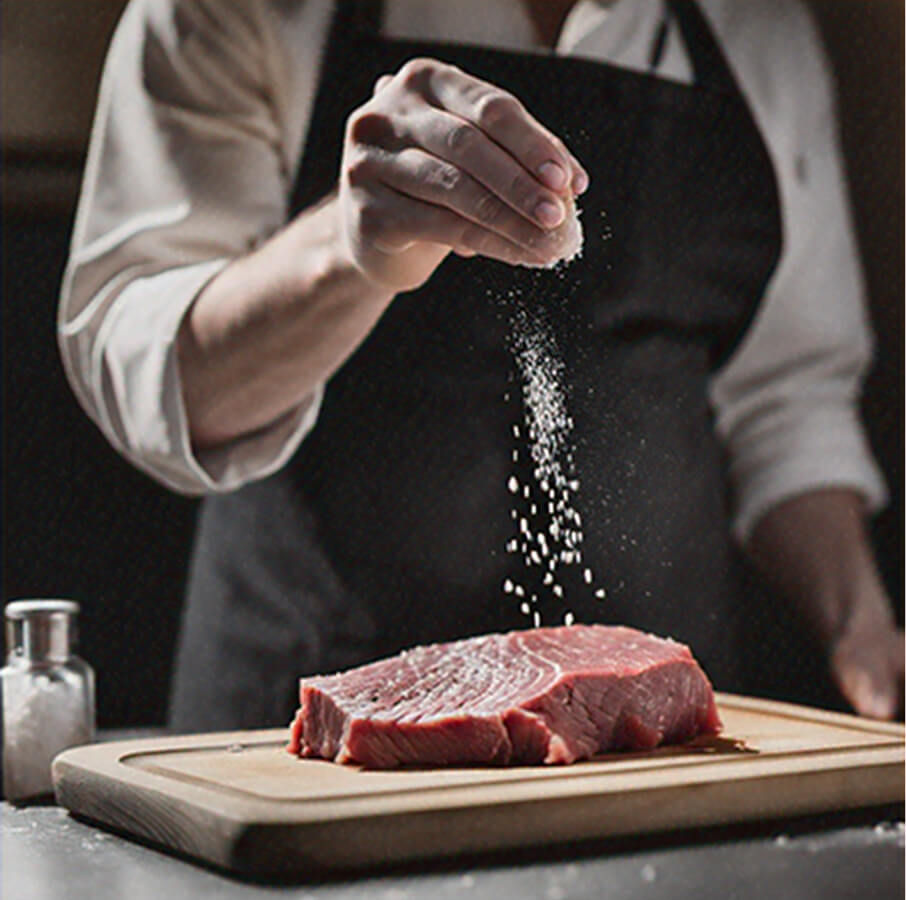
Season the good fresh beef fillets with salt and black pepper. Heat olive oil in a pan over high heat and sear the fillets for 2 minutes per side until it fully browned. Remove the beef from the pan and brush with a thin layer of mustard. Let it cool.
1
Season the good fresh beef fillets with salt and black pepper. Heat olive oil in a pan over high heat and sear the fillets for 2 minutes per side until it fully browned. Remove the beef from the pan and brush with a thin layer of mustard. Let it cool.
1
Season the good fresh beef fillets with salt and black pepper. Heat olive oil in a pan over high heat and sear the fillets for 2 minutes per side until it fully browned. Remove the beef from the pan and brush with a thin layer of mustard. Let it cool.
1
Season the good fresh beef fillets with salt and black pepper. Heat olive oil in a pan over high heat and sear the fillets for 2 minutes per side until it fully browned. Remove the beef from the pan and brush with a thin layer of mustard. Let it cool.
Instructions
Quality Fresh 2 beef fillets ( approximately 14 ounces each )
Quality Fresh 2 beef fillets ( approximately 14 ounces each )
Quality Fresh 2 beef fillets ( approximately 14 ounces each )
Beef Wellington

Beef Wellington
Fusion Wizard - Rooftop Eatery in Tokyo
Author Name
%20(1).jpg)
Beef Wellington is a luxurious dish featuring tender beef fillet coated with a flavorful mushroom duxelles and wrapped in a golden, flaky puff pastry. Perfect for special occasions, this recipe combines rich flavors and impressive presentation, making it the ultimate centerpiece for any celebration.
Servings :
4 Servings
Calories:
813 calories / Serve
Prep Time
30 mins
Prep Time
30 mins
Prep Time
30 mins
Prep Time
30 mins


Comments